
Thoracic Surgery Newsletter — May 2026
June 15, 2026Thoracic Surgery Newsletter — August 2026
August 15, 2026Thoracic Surgery Newsletter — March 2026

Letter from the Chief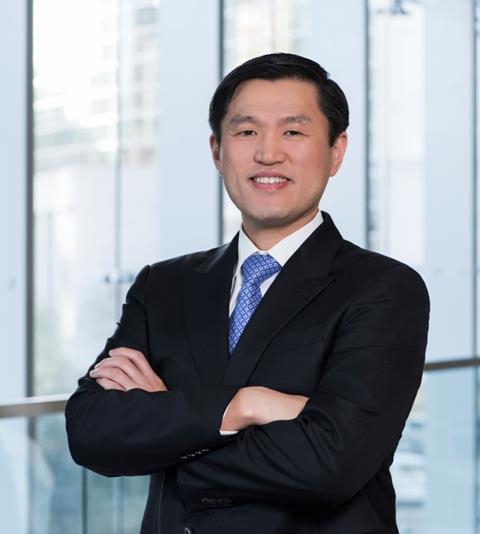
Min P. Kim, MD, FACS Delivering exceptional patient care requires more than clinical expertise — it requires a fully engaged team working together at every step of the patient journey. From the moment a patient schedules a clinic appointment, our commitment to coordinated, patient-centered care begins. Elaine Jordan, our administrative assistant and Yvonne Molina, our senior scheduler, serve as the first point of contact, helping patients navigate scheduling and ensuring a welcoming and organized start to their During the clinic visit, patients meet with our nurse practitioners, Leo Meisenbach and Amber Breindel, along with our nurse, Amy Henderson. This team supports patients before and after surgery, ensuring readiness for the procedure and addressing questions or concerns promptly throughout recovery. Their engagement provides continuity, reassurance, and clarity at On the inpatient side, our physician assistant, Jane Doan, collaborates closely with our residents and fellows to ensure that patients receive care at the highest standard. She plays a key role in maintaining adherence to evidence-based protocols and minimizing unnecessary variation in care for routine cases. Our team shares a common philosophy: patients are the most important aspect of what we do. Through tools such as CareSense and consistent team education, every staff member understands the care This work reflects the Houston Methodist ICARE values — Integrity, Compassion, Accountability, Respect, and Excellence. Integrity guides our transparency with patients. Compassion shapes every interaction. Accountability ensures we follow evidence-based protocols and coordinated workflows. Respect defines how we communicate with patients and each other. Excellence drives our commitment to continuous improvement and the highest quality surgical outcomes. Our goal is simple but essential — that every patient is well informed about their surgical intervention, actively engaged in preparing for surgery and recovery, and supported by a coordinated team that provides the highest level of care throughout the entire experience. Through appropriate, consistent, and thoughtful interactions, our team ensures that every patient feels supported, prepared, and confident in their care. An engaged team creates informed patients, smoother care transitions, and better outcomes. This Min P. Kim, MD, FACS Esophageal Cancer Awareness Month 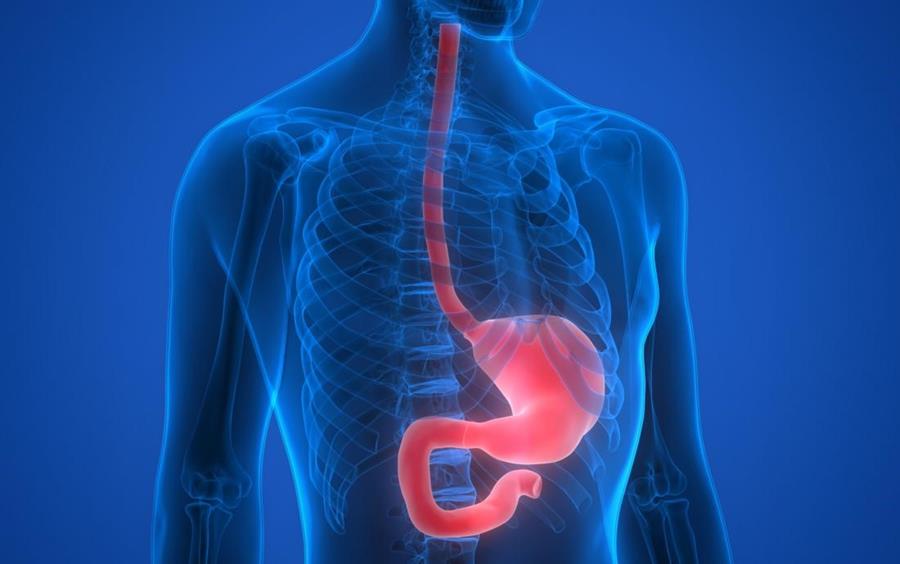
April marks Esophageal Cancer Awareness Month, a time to raise awareness about a disease that continues to carry significant morbidity and mortality worldwide. In the United States, approximately 20,000 new cases of esophageal cancer are diagnosed annually, with adenocarcinoma representing the most common histology, often arising in the setting of chronic gastroesophageal reflux disease and Barrett’s esophagus. Patients typically present with progressive dysphagia and unintentional weight loss, although early-stage disease may be asymptomatic. At Houston Methodist Hospital, esophageal cancer care is delivered through a coordinated multidisciplinary program Rethinking Surgical Risk in the Elderly: Why Elective Repair of Giant Hiatal Hernias Saves Lives 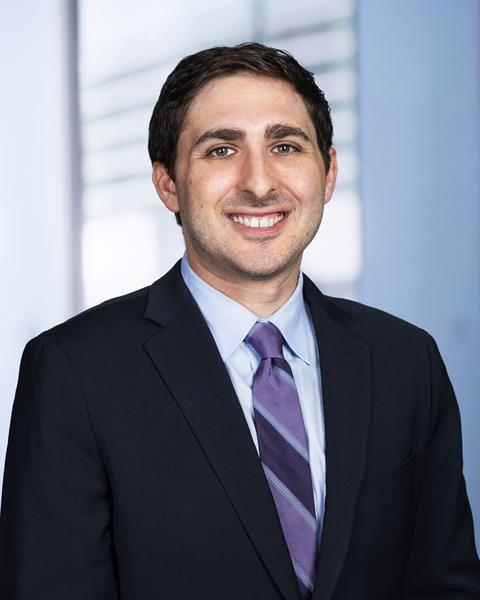
Warren C. Naselsky, MD, MS At a recent Grand Rounds at Houston Methodist Hospital, Dr. Warren Naselsky delivered a compelling and timely lecture titled, “Hiatal Hernia in the Elderly: Rethinking Surgical Risk in an Aging Population.” His talk challenged long-standing assumptions about operative risk in older adults and called for a meaningful shift in how surgeons approach large paraesophageal hernias in this growing patient population. For decades, elderly patients with large type III and IV hiatal hernias were frequently managed conservatively to far greater danger. While elective repair of large hiatal hernias is now associated with low morbidity and mortality—particularly with modern minimally invasive techniques—emergent repair carries a dramatically higher risk, with reported mortality rates approaching 10%. Patients who present acutely with obstruction, volvulus, strangulation, or bleeding face not only higher mortality but also increased pulmonary complications, longer hospital stays, and greater likelihood of requiring open surgery. Dr. Naselsky underscored that age alone should not determine surgical candidacy. Instead, physiologic reserve, cardiac function, and overall functional status are far more meaningful predictors of outcome. Many elderly patients with good cardiac function and acceptable frailty profiles tolerate elective repair remarkably well. In contrast, waiting until decompensation occurs often results in surgery under far less favorable conditions. Large type III and IV hernias frequently involve substantial migration of the stomach—and sometimes additional abdominal viscera—into the chest, leading to chronic microaspiration, progressive pulmonary compromise, anemia from Cameron lesions, and risk of volvulus. These physiologic burdens accumulate over time and can culminate in catastrophic presentation. The central message of the lecture was clear: elderly patients with giant hiatal hernias should not be reflexively denied elective surgery based solely on age. When appropriately selected, these patients benefit from planned repair under optimized conditions rather than facing the significantly higher mortality associated with emergent intervention. Dr. Naselsky’s talk reframed the discussion from “Is this patient too old for surgery?” to “Is this patient physiologically fit enough to benefit from elective repair before complications arise?” In an aging population, this shift in perspective has important implications for improving outcomes and preventing avoidable mortality. Lung Transplant Program at Houston Methodist: A Year of Growth and Leadership in 2025 
Ray K. Chihara, MD, PhD The Lung Transplant Program at Houston Methodist Hospital experienced an exceptional year in 2025, marked by growth, innovation, and outstanding patient outcomes. As part of the J.C. Walter Jr. Transplant Center—the largest transplant center in the region—the lung program continues to expand its impact nationally, ranking #12 in the United States while maintaining excellent survival outcomes in an increasingly complex patient population. At the center of this progress is the leadership of Dr. In 2025, the broader Methodist transplant program performed a record 838 transplants across four organs, with three consecutive record-breaking months in the fall. Within this environment of expansion, the lung transplant team continued to care for some of the sickest patients in the country, including those requiring complex perioperative management and advanced mechanical circulatory support. The program’s ability to safely manage high-risk recipients reflects both surgical expertise and the seamless collaboration between pulmonology, critical care, anesthesia, perfusion, nursing, and transplant coordination. Dr. Chihara has played a pivotal role in fostering this culture of teamwork and accountability. His focus on operative consistency, protocol refinement, and post-transplant optimization has strengthened the program’s foundation. Just as importantly, his steady and collaborative leadership style has unified faculty and staff during a year of increasing demand and clinical intensity. The lung transplant program also benefited from the tremendous infrastructure of the J.C. Walter Jr. Transplant Center, which received nearly 8,700 referrals and supported more than 57,000 clinic Beyond rankings and statistics, the success of the lung transplant program is measured in restored breath, renewed independence, and second chances at life. Under Dr. Chihara’s surgical leadership, the program continues to elevate the standard of lung transplantation in the region and nationally. As we reflect on 2025, it is clear that the strength of the lung transplant program lies not only in its numbers, but in its leadership, resilience, and unwavering commitment to patients and their families. Dr. Deven Patel Participates in Biodesign Innovation Symposium 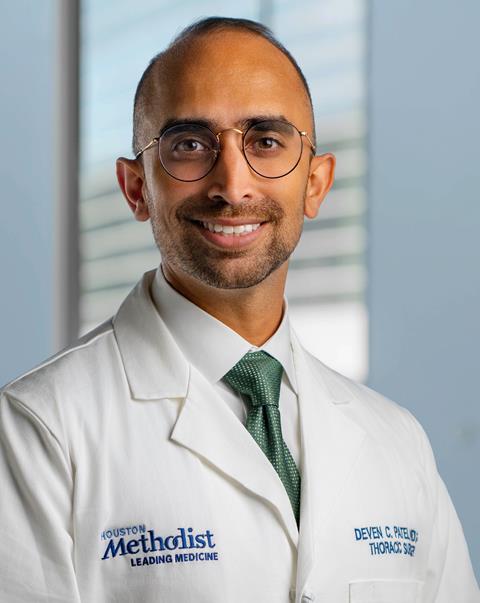
Deven C. Patel, MD, MS Dr. Deven Patel recently participated in the Biodesign Innovation Symposium at Houston Methodist Hospital, a collaborative program led by Dr. Aldona J. Spiegel, Chief of the Division of Surgical Innovation and Professor of Clinical Plastic Surgery at the Houston Methodist Academic Institute. The symposium brings together clinicians and engineers to identify unmet clinical needs and develop innovative solutions aimed at improving patient care. During the program, Dr. Patel worked alongside a Their project was recognized for its promise and impact, earning seed funding from the program to support further development. This achievement highlights Dr. Patel’s commitment not only to clinical excellence but also to advancing surgical innovation. We are incredibly proud of Dr. Patel’s accomplishment and look forward to seeing how this innovation evolves to improve care for patients. Division of Thoracic Surgery Presents at Southern Thoracic Surgical Association 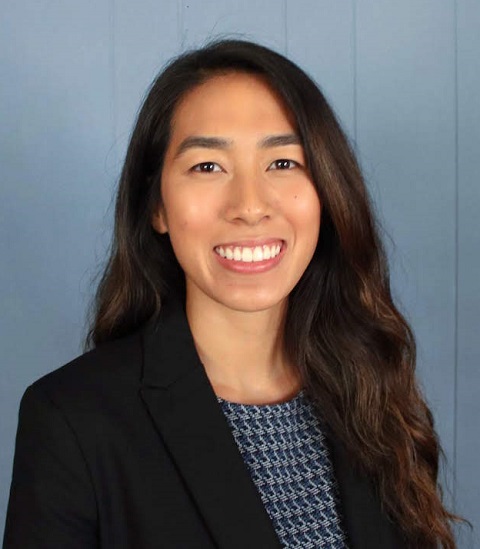
Therese Hoof, MD Dr. Therese Hoof Presents Innovative Approach to Thoracic Duct Ligation Dr. Therese Hoof showcased an innovative surgical technique at the Southern Thoracic Surgical Association (STSA) 2025 Annual Meeting with her presentation titled, “Indocyanine Green Lymphangiography Directed Robotic Thoracic Duct Ligation.” In her presentation, Dr. Hoof highlighted the use of indocyanine green (ICG) lymphangiography to precisely identify the thoracic duct in patients suffering from chyle leak—a challenging postoperative complication that can lead to significant morbidity. By utilizing ICG fluorescence imaging, the thoracic duct can be visualized in real time, allowing for targeted and accurate localization. Dr. Hoof demonstrated how this enhanced visualization facilitates a minimally invasive approach using robotic technology. With improved magnification, dexterity, and precision, robotic thoracic duct ligation allows surgeons to control the leak effectively while minimizing operative trauma. Her work underscores the growing role of image-guided and robotic techniques in advancing thoracic surgery, offering safer and more precise solutions for complex conditions such as chyle leak. 
Madhivanan Elango, MD Dr. Madhivanan Elango Presents National Data on Robotic Lobectomy At the Southern Thoracic Surgical Association (STSA) 2025 Annual Meeting, Dr. Madhivanan Elango presented compelling national data in his presentation titled, “Increased Adoption of Robotic Lobectomy and Improved Outcomes: Evidence from the Nationwide Readmission Database.” Using data from the Nationwide Readmission Database, Dr. Elango examined national trends in lobectomy and demonstrated a significant increase in the adoption of the robotic platform over recent years. His analysis showed that more surgeons across the country are transitioning from open thoracotomy to minimally invasive approaches, particularly robotic lobectomy. Importantly, the study revealed meaningful improvements in patient outcomes associated with minimally invasive surgery—especially robotic Dr. Elango’s work highlights both the evolution of surgical practice nationwide and the measurable benefits of robotic technology in improving patient outcomes following lung resection. “Age Is Just a Number”: Samar Semaan Presents Robotic Hiatal Hernia Outcomes in Octogenarians Samar Semaan, thoracic surgery research fellow in the Division of Thoracic Surgery at Houston Methodist Hospital, recently delivered an oral presentation at the Southern Thoracic Surgical Association (STSA) 2025 Annual Meeting in Florida. Her presentation, titled “Age Is Just a Number: Outcomes of Robotic Hiatal Hernia Repair in Octogenarians,” highlighted important findings that challenge 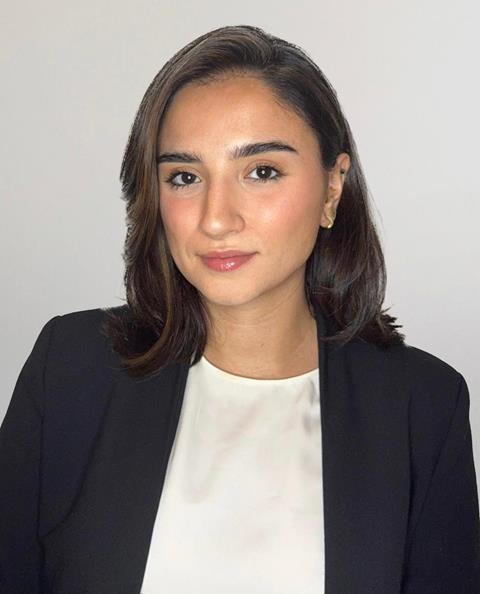
Samar Semaan, MD Working in collaboration with general surgery resident Kendall Howard, Semaan led a study examining the outcomes of robotic hiatal hernia repair in carefully selected patients aged 80 and older. Historically, advanced age has often been viewed as a relative contraindication to elective hiatal hernia repair due to concerns about perioperative morbidity and mortality. However, with advances in minimally invasive and robotic techniques, these assumptions are increasingly being reevaluated. The team’s Semaan’s work contributes to the growing body of literature supporting a more nuanced assessment of operative candidacy—one based on physiologic reserve and functional status rather than chronological age alone. Her presentation was well received and reflects the The project underscores the strength of collaborative research within the department and highlights Semaan’s dedication to advancing thoracic surgical outcomes. Her work continues to support a broader shift in perspective: in appropriately selected patients, age alone should not preclude consideration of robotic hiatal hernia repair. Dr. Warren Naselsky Appointed Assistant Professor of Surgery 
We are proud to congratulate Dr. Warren Naselsky on his appointment as Assistant Professor of Surgery at Weill Cornell Medical College, effective January 1, 2026. This faculty appointment, based at Houston Methodist Hospital, recognizes Dr. Naselsky’s growing academic contributions and clinical excellence within the Institute of Academic Medicine. Dr. Naselsky’s appointment is on the Pathway Recognizing Academic Achievement and Scholarship, with an area of excellence in Clinical Expertise and This academic appointment is contingent upon the continued affiliation among Weill Cornell Medical College, New York-Presbyterian Hospital, and Houston Methodist Hospital, as well as Dr. Naselsky’s ongoing staff membership and employment within the Houston Methodist Specialty Physician Group. It further strengthens the collaborative academic relationship As Assistant Professor of Surgery at the Institute of Academic Medicine at Houston Methodist, Dr. Naselsky exemplifies the integration of clinical excellence, innovation, and scholarship. We congratulate him on this well-deserved appointment and look forward to his continued contributions to patient care, education, and research. Welcoming Amy Henderson, MSN-FNP, RN to the Division of Thoracic Surgery 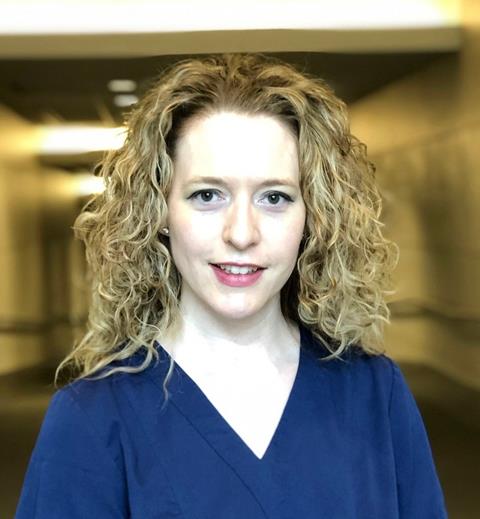
Amy Henderson The Division of Thoracic Surgery at Houston Methodist Hospital is pleased to welcome Amy Henderson, MSN-FNP, RN, to our team. Amy joins the division as a registered nurse, where she provides patient education, care coordination, case management, and clinical support to our thoracic surgery patients and faculty. Amy earned her Bachelor of Science in Nursing from the University of Texas Health Science Center at San Antonio in 2005 and completed her Master of Science in Nursing at Texas A&M University in In thoracic surgery, where patients often face complex diagnoses and significant procedures, strong coordination and clear communication are essential. Amy plays a vital role in guiding patients and families through their care journey—ensuring they feel informed, supported, and confident at every stage. Her commitment to patient-centered care strengthens both the clinical and operational excellence of the division. We are excited to have Amy as part of our team and look forward to the positive Award Spotlight Alicia Galvan, MA, Receives the Excellence in Patient Care Award Alicia Galvan, MA, has been honored with the Excellence in Patient Care Award, recognizing team members who demonstrate exemplary dedication, compassion, and advocacy for patients and their families. This award celebrates those who embody the ICARE values and consistently elevate the patient experience through respectful, supportive, and patient-centered care. In her role supporting thoracic surgery, Alicia has taken on a leadership position among the Thoracic Medical Assistants, helping ensure seamless, high-quality care for complex surgical patients. She is known for her exceptional communication, attention to detail, and unwavering commitment to meeting each patient’s individual needs. Alicia’s dedication not only enhances the experience of thoracic surgery patients and their families but also sets a standard of excellence for the entire team. Elaine Jordan Receives the Commitment to Excellence Award Elaine Jordan has been honored with the Commitment to Excellence Award, recognizing individuals who consistently strive for superior performance and exemplify the highest standards of professionalism. This award celebrates team members who demonstrate exceptional reliability, initiative, and a relentless drive to improve systems, processes, and outcomes. Elaine is instrumental in keeping the thoracic surgery service running smoothly. She plays a central role in organizing the service, coordinating workflows, and ensuring that daily operations function efficiently and effectively. Her attention to detail, proactive approach, and willingness to go above and beyond her core responsibilities make her an indispensable part of the team. Through her dedication and leadership, Elaine sets a standard of excellence that strengthens the entire thoracic surgery program. Leonora Meisenbach, NP, Receives the Thoracic Surgery Service Award We are proud and very excited to announce that Leonora Meisenbach, NP, has received the Thoracic Surgery Service Award, the highest recognition bestowed within the division. This award honors an individual who demonstrates exceptional leadership, unwavering dedication, and sustained contributions that elevate the quality, culture, and performance of the thoracic surgery service. This year was especially challenging for our division, and Leo stepped forward in extraordinary fashion. For several months, she provided critical support to all faculty members, ensuring continuity of care, operational stability, and outstanding patient management across the service. The scope of what she accomplished during this time was truly remarkable. Leo consistently embodies the ICARE values at the highest level. Her clinical excellence, reliability, and leadership strengthened both patient care and team Congratulations, Leo, on this well-deserved honor. Meet our Thoracic Surgery Team 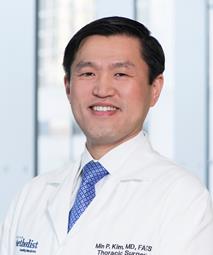
Min P. Kim, MD 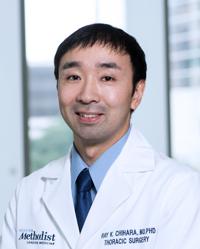
Ray K. Chihara, MD, PhD 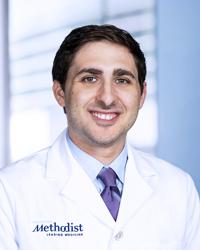
Warren C. Naselsky, MD, MS 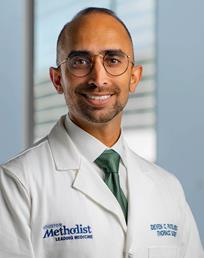
Deven C. Patel, MD, MS 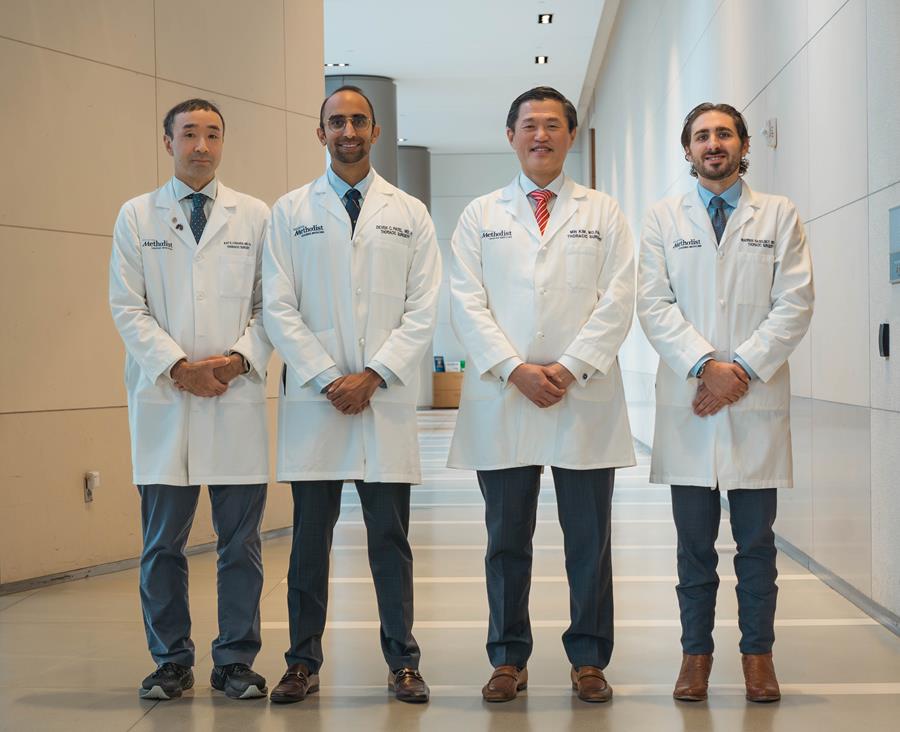
Left to Right: Dr. Ray K. Chihara, Dr. Deven C. Patel, Dr. Min P. Kim, Dr. Warren C. Naselsky 
|
