
Thoracic Surgery Newsletter — November 2024
November 15, 2024Thoracic Surgery Newsletter — May 2025
May 15, 2025Thoracic Surgery Newsletter — February 2025

Letter from the Chief
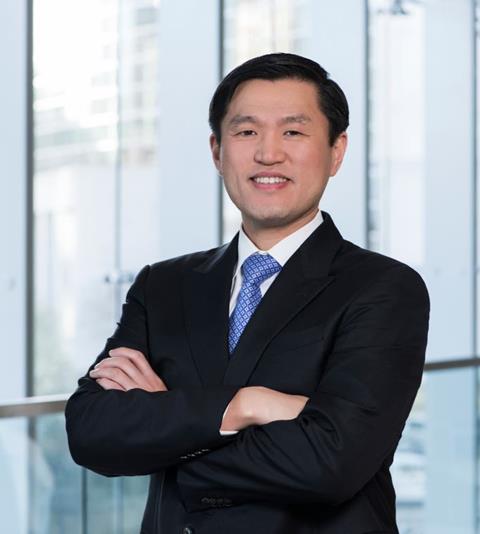
Min P. Kim, MD, FACS Lung cancer remains one of the most challenging diseases we face in thoracic surgery, but through continued advancements in technology and surgical techniques, we are making significant strides in improving both diagnosis and treatment. Early and accurate diagnosis is critical, and I am excited to share that we have been able to further enhance our capabilities with the Ion system. This state-of-the-art robotic-assisted bronchoscopy system allows for greater precision in diagnosing lung nodules, ultimately enabling us to initiate timely and effective treatment plans. I am also pleased to announce that we have secured a dedicated Ion system for Walter Tower, thanks to efforts from Anne Louise Stansa, Walter Tower OR Manager, Rose McCullough, Perioperative Director and
Beyond diagnosis, we continue to refine and enhance our robotic lung cancer surgery program. One of the most significant advancements we have achieved is the adoption of enhanced recovery after surgery (ERAS) protocols, allowing patients to recover more efficiently and return home sooner after pulmonary lobectomy. This innovation is a testament to our commitment to improving patient outcomes and enhancing recovery. As a result of these advancements, our median length of stay for lung cancer surgery patients is now two days, compared to the three-day median reported in the STS database. This improvement not only reflects our ability to optimize patient care but also underscores our leadership in advancing thoracic surgery techniques. I want to Min P. Kim, MD, FACS
April is Esophageal Cancer Awareness Month: Advancing Care with Robotic Esophagectomy
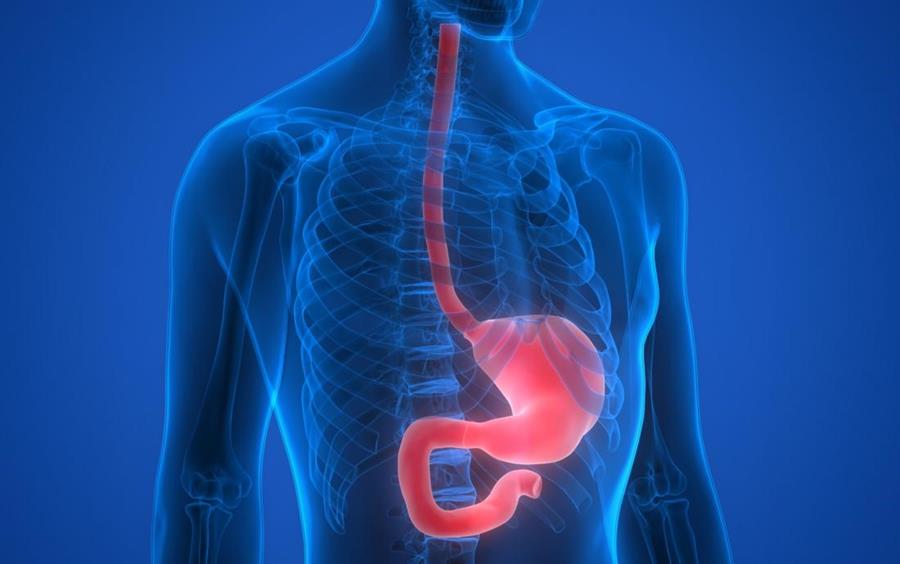
April marks Esophageal Cancer Awareness Month, bringing attention to this aggressive disease. Risk factors include chronic acid reflux (GERD), smoking, obesity, and Barrett’s esophagus, with symptoms such as difficulty swallowing and unexplained weight loss often appearing in advanced stages. Early detection remains critical. At Houston Methodist, we are committed to advancing esophageal cancer treatment through robotic-assisted esophagectomy. Our team has performed over 150 robotic esophagectomies, leveraging cutting-edge technology to enhance precision and reduce surgical trauma. Compared to traditional open surgery, robotic-assisted procedures have resulted in lower complication rates, faster recovery times, reduced post-operative pain, and improved patient
Houston Methodist Performs First Robotic Diaphragm Pacing Wire Placement
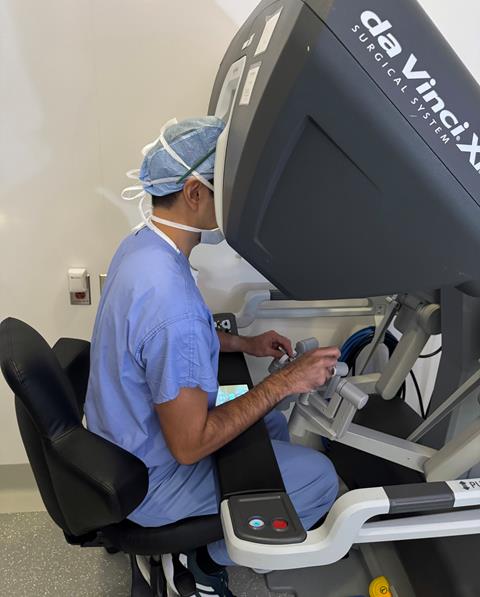
Ray K. Chihara, MD, PhD In a groundbreaking achievement, Dr. Ray Chihara has successfully led Houston Methodist’s first robotic diaphragm pacing wire placement. This minimally invasive procedure has the potential to improve respiratory function in patients with chronic respiratory insufficiency due to neuromuscular disorders, spinal cord injuries, or central hypoventilation syndrome. Traditionally performed using open or laparoscopic techniques, robotic diaphragm pacing offers enhanced precision, minimally invasive access, and improved patient outcomes. Studies show that 50-80% of appropriately selected patients experience reduced ventilator dependence, with robotic-assisted placement optimizing success rates. This innovation highlights Houston Methodist’s commitment
Dr. Anuj Shah Presents Research on Robotic Lobectomy at STSA 2024
Congratulations to Dr. Anuj Shah, Thoracic Surgery Fellow, for presenting groundbreaking research at the 2024 Southern Thoracic Surgical Association (STSA) Annual Meeting. His study, “Advanced Robotic System and Surgeon Expertise Contribute to Post-Operative Day 1 Discharge After Lobectomy,” analyzed 600 lobectomy patients (2012–2023), with 82.5% undergoing robotic-assisted surgery. Notably, 12% were safely discharged the next day, experiencing fewer complications (6.9% vs. 34.5%, p<0.01) without increased readmission or mortality. Dr. Shah’s research underscores Houston Methodist’s leadership in robotic thoracic surgery and innovation in patient care. We congratulate him on this achievement! 
Anuj Shah, MD
Houston Methodist Joins INTerpath-009 Clinical Trial to Advance Neoantigen Therapy for NSCLC
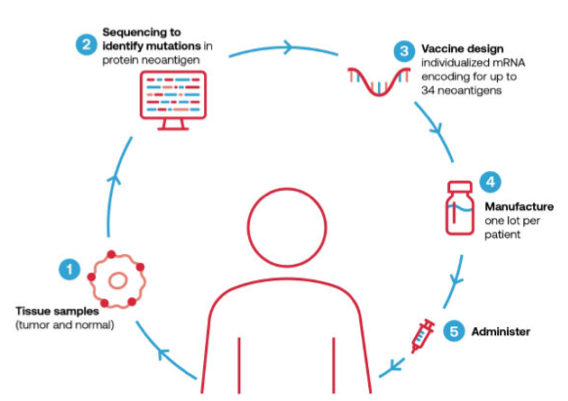
Houston Methodist Hospital (HMH) has been selected as a clinical trial site for INTerpath-009, with Dr. Min Kim serving as Principal Investigator. This Phase 3 clinical trial evaluates V940 (mRNA-4157), an investigational individualized neoantigen therapy (INT), in combination with KEYTRUDA®, to enhance antitumor immune responses and improve disease-free survival (DFS), overall survival (OS), and distant metastasis-free survival (DMFS) in non-small cell lung cancer (NSCLC) patients. V940 is a personalized mRNA-based vaccine that trains the immune system to recognize and attack cancer cells based on a patient’s unique tumor mutations. The INTerpath-009 trial follows the successful INTerpath-002 study, which
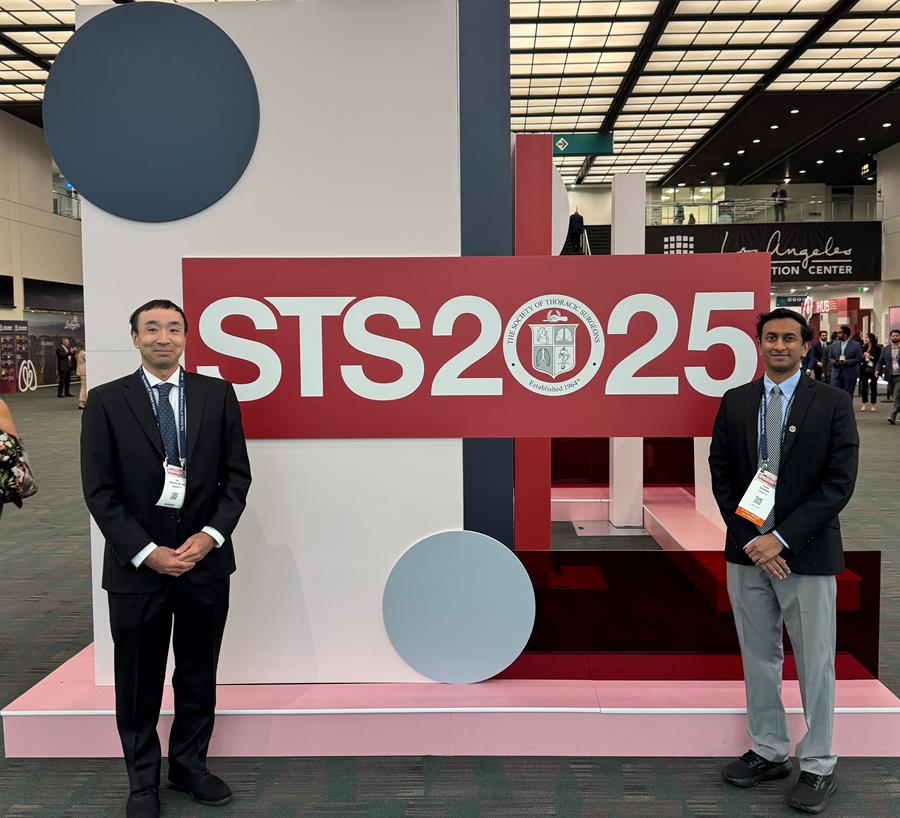
Congratulations to Sujay Shankar on Receiving the STS 2025 Looking to the Future Scholarship
We congratulate Sujay Shankar, a Texas A&M College of Medicine – ENMED medical student, for being awarded the STS 2025 Looking to the Future Medical Student Scholarship with his mentor Dr. Ray Chihara. This prestigious honor, offered by The Society of Thoracic Surgeons (STS), recognizes promising medical students with a keen interest in cardiothoracic surgery. As a scholarship recipient, Sujay Shanker attended the STS 2025 Annual Meeting, gaining exposure to leading surgeons, educational sessions, and cutting-edge advancements in cardiothoracic surgery. His achievement reflects his dedication, academic excellence, and commitment to innovation in medicine. We look forward to his continued success and future contributions to thoracic surgery. Congratulations, Sujay, on this well-deserved honor!
Ray K. Chihara, MD, PhD 
Warren C. Naselsky, MD, MS 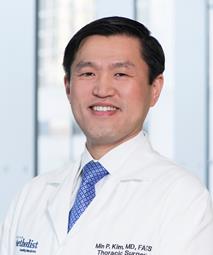
Min P. Kim, MD

|
