
Thoracic Surgery Newsletter — February 2025
February 15, 2025Thoracic Surgery Newsletter — November 2024

Letter from the Chief
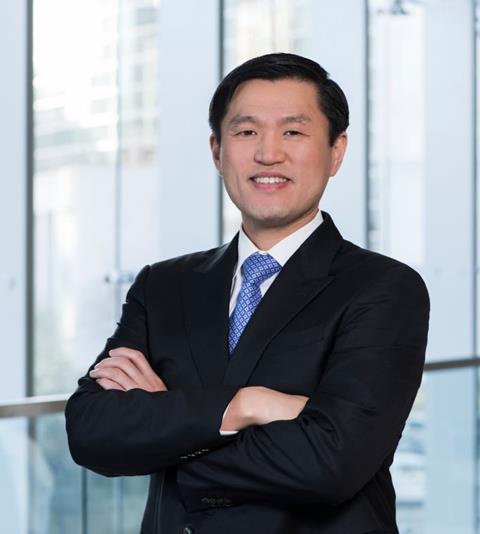
Min P. Kim, MD, FACS Fourteen years ago, I joined Houston Methodist Hospital after completing my fellowship at MD Anderson Cancer Center. About five years into my practice, I had the privilege of becoming the chief of the division. From the beginning, my vision for our division was clear: to build a world-renowned thoracic surgery program by offering exceptional clinical care, fostering innovative education, and pursuing cutting-edge research. I am proud to say that we are getting closer to achieving my vision. Our team of surgeons is highly specialized in treating both benign and malignant conditions affecting the lung, esophagus, mediastinum, diaphragm, chest wall, and foregut. To provide the highest level of care to our patients, we have embraced and perfected the use of robotic technology,
We are very excited that Houston Methodist Hospital is ranked #8 in the nation by U.S. News & World Report for Pulmonology and Lung Surgery with recognition of lung cancer surgery as being a high performer, the highest ranking in the report. Our division has contributed to the #18 ranking for Cancer care and #7 ranking for Gastroenterology & GI Surgery. We are very proud of the clinical accomplishments of our division. This newsletter aims to keep the Houston Methodist community informed about the incredible work happening in our division. We will share updates on our clinical advancements, research breakthroughs, and educational initiatives that are pushing the boundaries of thoracic surgery. Thank you for your support as we continue to strive for excellence and deliver Min P. Kim, MD, FACS
November is Lung Cancer Awareness Month
Advancing Lung Cancer Diagnosis and Treatment at Houston Methodist Hospital November is Lung Cancer Awareness Month, a time dedicated to spreading awareness about the importance of early detection, advanced treatment options, and support for those affected by lung cancer. Lung cancer remains the leading cause of cancer-related deaths in the United States, but advancements in technology and specialized care are providing new hope for patients. At Houston Methodist Hospital (HM), our Division of Thoracic Surgery is at the forefront of these innovations, offering expert management of lung cancer through comprehensive surveillance and cutting-edge surgical techniques. Criteria for Lung Cancer Screening Lung cancer is most treatable when detected early, which makes surveillance critical, particularly for individuals at higher risk. Key criteria for lung cancer screening include: – Adults aged 50-80 years with a significant smoking history (20 pack-years or more). – Current smokers or those who have quit within the past 15 years. For those who meet these criteria, annual low-dose CT (LDCT) scans are recommended to identify suspicious lung nodules before they progress. Early identification of these nodules allows for timely intervention, significantly improving outcomes. Expertise in Managing Suspicious Lung Nodules At Houston Methodist, our thoracic surgeons are recognized for their expertise in managing patients with suspicious lung nodules. Each patient undergoes a thorough evaluation, and our multidisciplinary team tailors an individualized treatment plan based on the size, location, and characteristics of the nodule. This personalized approach ensures that patients receive the most appropriate care, whether it involves surveillance, biopsy, or surgical intervention.
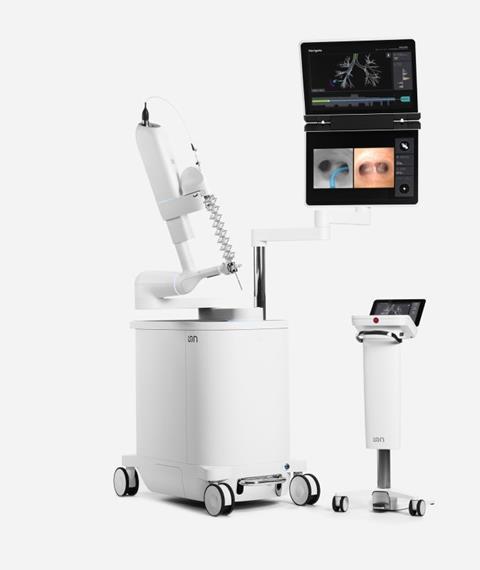
Advanced Diagnostic Technology: The Ion Transbronchial Biopsy Platform A significant breakthrough in diagnosing lung cancer has been the use of the Ion Transbronchial Biopsy Platform with 3D imaging, a minimally invasive technology that allows for precise and safe biopsies of lung nodules. This state-of-the-art tool improves our ability to reach difficult-to-access areas within the lungs, increasing the accuracy of the diagnosis while minimizing patient discomfort and recovery time. At Houston Methodist, our team has successfully integrated this platform into our lung cancer diagnostic program, allowing us to provide early and accurate diagnoses for more patients.
Robotic Lung Resection for Early-Stage Lung Cancer For patients diagnosed with early-stage lung cancer, timely and effective surgical treatment is crucial. At Houston Methodist, we specialize in robotic lung resection, a minimally invasive procedure that offers significant benefits over traditional surgery. Using advanced robotic technology, our surgeons can remove cancerous tissue with enhanced precision, while preserving healthy lung tissue. 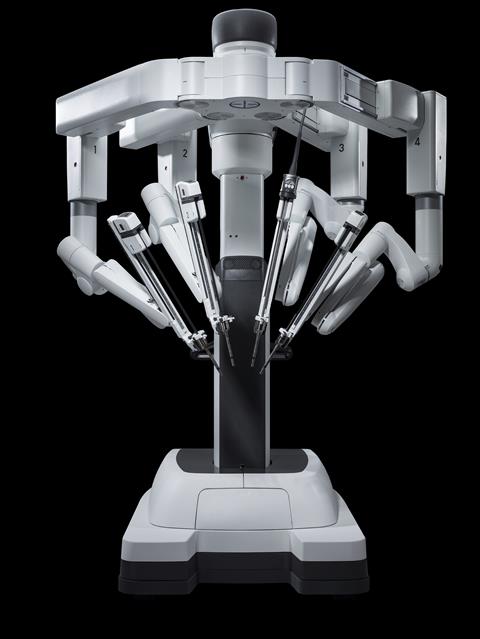
Patients who undergo robotic lung resection typically experience: – Faster recovery times. – Shorter hospital stays, with many patients going home within 1-2 days post-surgery. – Less pain and fewer complications compared to traditional open lung surgery. This approach allows patients to return to their normal activities more quickly and with better overall quality of life. Best Outcomes in the Houston Area Houston Methodist’s Lung Cancer Surgery Program is consistently recognized for its excellent patient During Lung Cancer Awareness Month, it is important to highlight the strides being made in the early detection and treatment of lung cancer. At Houston Methodist, our thoracic surgery team is committed to providing cutting-edge care through advanced surveillance, diagnostic technology, and robotic surgical techniques. We take pride in offering our patients the best possible outcomes and the highest level of care. If you or a loved one is at For more information, please contact 713-441-LUNG.
Welcome Dr. Naselsky
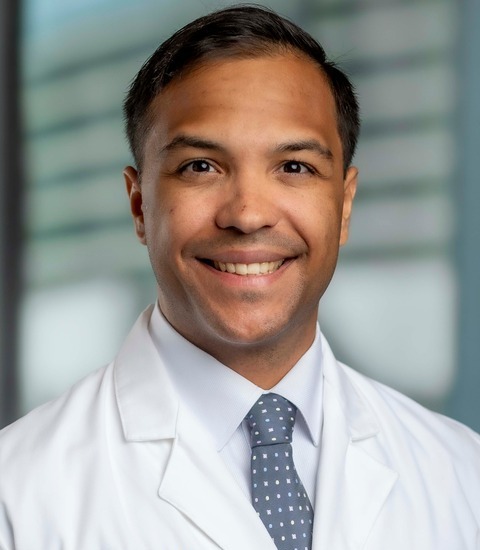
We are very excited to have Dr. Warren Naselsky join the Division of Thoracic Surgery at Houston Methodist Hospital. Dr. Naselsky grew up in the Philadelphia suburbs before moving to North Carolina to attend the University of North Carolina where he earned his Bachelor of Science degree with highest honors and distinction studying Biochemistry and Chinese language. He stayed in Chapel Hill to complete his medical degree from the University of North Carolina School of Medicine. 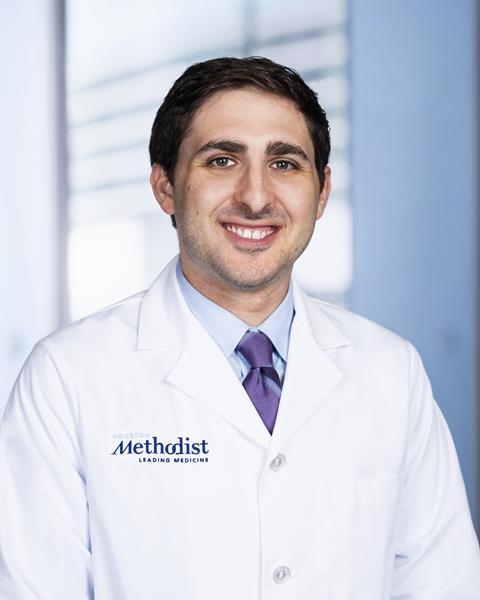
Warren Naselsky, MD, MS
He then completed his integrated cardiothoracic surgical residency at the University of Maryland Medical Center in Baltimore, where he focused his interest in general thoracic surgery and lung transplantation. He has a clinical interest in advanced robotic techniques for thoracic surgery and completed a robotics fellowship with the American Association of Thoracic Surgery (AATS) during his training. Dr. Naselsky also comes highly trained in lung transplantation, having both clinical and research experience in lung failure and mechanical circulatory support, including participation in the Xenotransplantation program at the University of Maryland. Dr. Naselsky’s research and clinical interests have also focused on the study and treatment of pleural mesothelioma. During his training, he Dr. Naselsky is passionate about providing exceptional, personalized care to his patients which was recognized by nomination into the Gold Humanism Honors Society. He also has been recognized for his
Upcoming Grand Rounds: Dr. Ray Chihara Explores the Future of Lung Transplantation

Ray K. Chihara, MD, PhD We are pleased to announce an upcoming grand rounds presentation by Dr. Ray Chihara, a distinguished thoracic surgeon at Houston Methodist Hospital, on November 13, 2024 at 8 am in Dunn Guadalupe/Pecos Conference Room. Dr. Chihara will be presenting on the topic of “Lung Transplantation Advancements, Innovations, and the Future,” offering valuable insights into the latest developments in this vital field of thoracic surgery. Lung transplantation remains one of the most challenging and evolving areas in the field of thoracic surgery. Dr. Chihara will discuss both the current barriers and groundbreaking advancements that are shaping the future of lung transplantation. This presentation promises to deliver a comprehensive look
Dr. Shaf Keshavjee to Deliver the David M. Underwood Lecture in Lung Transplantation

The Division of Thoracic Surgery at Houston Methodist is honored to welcome Dr. Shaf Keshavjee, a distinguished thoracic surgeon from Toronto, as the visiting professor for the David M. Underwood Lecture in Lung Transplantation. Dr. Keshavjee, renowned for his groundbreaking contributions to lung transplantation, will deliver his lecture on December 18, 2024 at 8 am in the Houston Methodist Research Institute (HMRI) auditorium. Pioneering Work in Lung Transplantation and Ex Vivo Lung Perfusion Dr. Keshavjee’s contributions to the field of lung transplantation have revolutionized how donor lungs are assessed and treated before transplant. His pioneering work in Ex Vivo Lung Perfusion (EVLP) technology Dr. Keshavjee’s innovative approaches have helped improve survival rates and outcomes for lung transplant recipients worldwide. His work has not only expanded the donor lung pool but has also paved the way for the development of techniques that repair and rejuvenate lungs that would have been deemed unusable in the past. This is a unique opportunity for We invite everyone interested in the latest advancements in lung transplantation to join us for this special event.
Division of Thoracic Surgery Shines at American College of Surgeons Clinical Congress Meeting
The American College of Surgeons (ACS) Clinical Congress, held from October 19-22, 2024 in San Francisco, was an opportunity for the Division of Thoracic Surgery at Houston Methodist Hospital to showcase its cutting-edge research and clinical advancements. Our team delivered six high-impact presentations, including groundbreaking studies and quality improvement initiatives. These presentations, made by general surgery residents and faculty, highlighted the division’s commitment to improving patient outcomes and advancing thoracic surgery techniques. Featured Presentations:
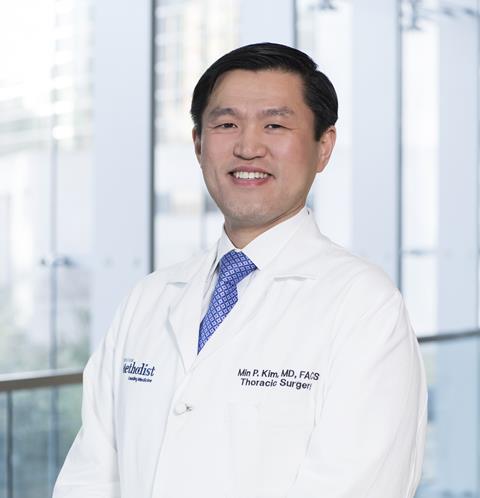
Improving Surgical Outcomes through Surgeon-Specific Reporting: A Quality Improvement Initiative Presenter: Min P. Kim, MD, FACS The study discussed the impact of a surgeon-specific reporting initiative aimed at improving surgical outcomes. By tracking and sharing performance data at the surgeon level, the study demonstrated significant improvements in quality of care and patient outcomes.

Optimal Treatment of T4 Lung Cancer: Induction Chemoimmunotherapy Followed by Robot-assisted Surgery Presenter: Kendall Howard, MD This presentation focused on the evolving approach to treating T4 lung cancer using induction chemoimmunotherapy followed by robotic-assisted surgery. The study highlighted how this method enhances outcomes for patients with advanced-stage lung cancer, offering a less invasive yet effective treatment option.

Comparative Survival Outcomes in Patients with Single Colorectal Lung Metastasis: Surgical Resection vs Radiation Therapy vs Conservative Management Presenter: Priya Arunachalam, MD This study compared survival outcomes among patients with single colorectal lung metastasis treated through surgical resection, radiation therapy, or conservative management. The study showed 43% five-year survival with surgery compared to 23% chemotherapy alone. Patients with single colorectal lung metastasis should have surgical consultation.
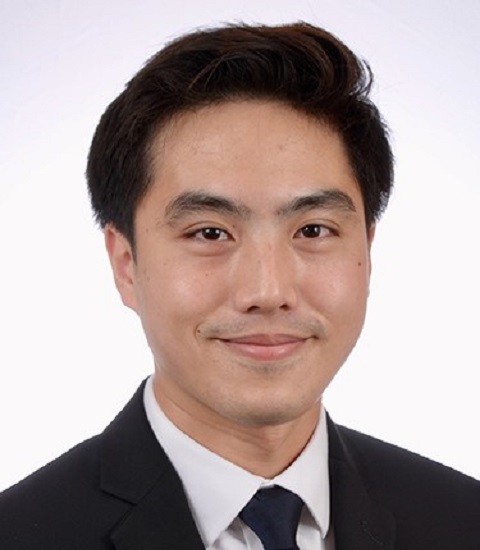
Esophageal Duplication Cyst: A Rare Cause of Esophagogastric Outflow Obstruction Presenter: Johnny Wang, MD This case study highlighted a rare instance of esophageal duplication cyst causing esophagogastric outflow obstruction, illustrating the diagnostic challenges and surgical management of such rare conditions and the intraoperative use of EndoFLIP can provide personalized treatment for the patients.
Comparative Outcomes of Minimally Invasive Ivor Lewis and McKeown Esophagectomies: Insights from an NSQIP Analysis Presenter: Daniel A. Tomey, MD This analysis compared outcomes of two minimally invasive techniques for esophagectomies, the Ivor Lewis and McKeown approaches. The study leveraged data from the National Surgical Quality Improvement Program (NSQIP) to provide insights into which procedure offers better outcomes for patients undergoing esophageal cancer surgery. Minimally invasive Ivor Lewis Esophagectomy is the best surgical option.

Robotic Left First Rib Resection Presenter: Rob Brumer, MD This presentation explored the use of robotic techniques for performing first rib resections. The study highlighted how robotic surgery improves precision and minimizes recovery times for patients undergoing this complex thoracic procedure.
The Division of Thoracic Surgery at Houston Methodist Hospital continues to lead in thoracic surgical innovation and quality improvement. The presentations at the ACS Clinical Congress demonstrate our team’s dedication to advancing the field of thoracic surgery and providing the highest level of care to our patients. We are proud of the contributions made by our faculty and residents and look forward to continuing our tradition of excellence in patient care and research. Division of Thoracic Surgery
Ray K. Chihara, MD, PhD 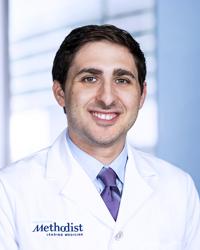
Warren C. Naselsky, MD, MS 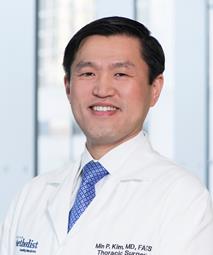
Min P. Kim, MD

|
